What exactly is a virtual brand?
A virtual brand has its own name, logo, menu and photos, but no location for customers. Orders come through Bolt Food, Wolt, Glovo or Tazz and are cooked in a kitchen that usually already serves another brand. To the customer, it's a new restaurant in the app. To you, it's a second stream of orders from the same kitchen.
It's not the same as a dark kitchen, although the terms get mixed up. A dark kitchen is a kitchen with no dining room. A virtual brand is the brand in the app. You can run a virtual brand out of a regular restaurant without moving anything. Customers order in the app, the courier picks up at the back door, and your dining room carries on as before.
When does a virtual brand make sense, and when doesn't it?
It makes sense when your kitchen has spare time in certain hours, when the new menu uses mostly the same ingredients, and when something is missing in your delivery area: good-value lunch, a particular cuisine, office-friendly portions. You're using a team and stock you pay for anyway.
It doesn't make sense when the kitchen is already full at peak times, because the second brand will delay the first brand's orders and hurt both ratings. Nor if you need entirely new ingredients that spoil when they don't sell. And it doesn't replace a good product: a virtual brand with mediocre food dies fast.
How do you choose the concept and name?
Start from what people search for in the app, in your area, at the hours when you have spare capacity. Then look at what your team can cook well, fast and consistently. A good concept sits where those two overlap. A clear name that says what you sell beats a clever one nobody understands.
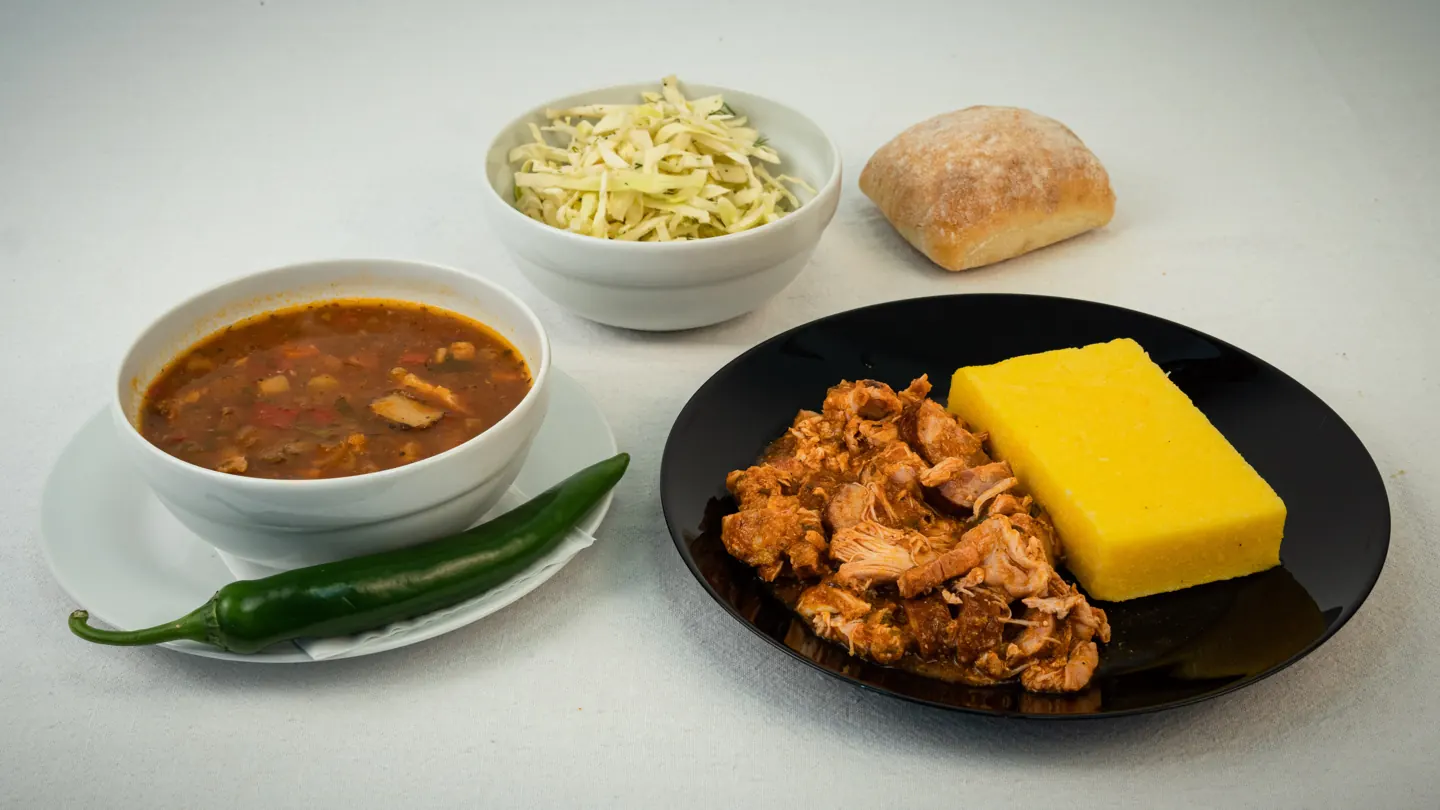
For Lunch Dealzz, our own virtual brand, the idea was simple: a complete lunch deal of soup, a main course and dessert at a clear price. The name says exactly that. The brandbook set the logo, colors, typography and banner rules so the brand looks the same on every platform.
How do you launch on Bolt Food, Wolt and Tazz?
Each platform has its own onboarding process, and rules for multiple brands at the same address differ, so discuss them directly with your account manager. You'll need a logo, cover image, product photos, descriptions, prices and opening hours. Also check with your accountant how the new brand's sales show up in your company's books.
The first weeks matter. A new brand has no reviews yet, so it needs great photos, a clear entry price and possibly a promotion from the platform's calendar. Watch prep times and cancelled orders daily so you don't damage your rating from the start.
What did we learn from Lunch Dealzz?
Lunch Dealzz was cooked in another brand's kitchens at 4 locations in Bucharest: Basarab, Piața Muncii, Militari and Mihai Bravu. It ran on Bolt, Wolt and Tazz for about a year and a half and brought in between 500 and 1,000 orders, using the existing teams and stock.
The main lesson: a virtual brand works as a process, not as an idea. A weekly report for each location showed us which dishes sold, where and at what time, and we adjusted the menu from it. Without those numbers, a virtual brand is just another logo in the app.
Steps
- Check kitchen capacityIdentify your slow hours and how much more the team can produce without delaying existing orders.
- Choose the conceptFind what's missing in your delivery area that your team can cook from existing stock.
- Create the name and identityA clear name, logo, colors and rules for banners and photos, collected in a short brandbook.
- Price the menu per channelA short menu with margins calculated after commission and packaging for each platform.
- Shoot photos and list the brandProduct photos built for phone screens, descriptions and hours, then onboarding on each platform.
- Measure weeklyReport orders, prep times and ratings per location, and adjust the menu based on them.
Frequently asked questions
Do I need a separate kitchen for a virtual brand?
No. That's the whole point: you use the kitchen, team and stock you already have during hours when they aren't at capacity.
Do customers know it's cooked in another restaurant?
The pickup address is visible to the platform and courier. Don't hide anything or mislead; what matters to the customer is consistent quality.
Can I run several brands from the same address?
It depends on each platform's rules, which can change. Ask your account manager before you invest in branding and photos.
How big should the menu be?
Small. A few well-made dishes from existing stock are safer than a long menu that needs new ingredients and slows the kitchen down.
How long did Lunch Dealzz run?
About a year and a half, from 4 kitchens in Bucharest, on Bolt, Wolt and Tazz, with between 500 and 1,000 orders.
Can you help me launch a virtual brand?
Yes: concept, name, brandbook, per-channel menu pricing, photos and platform marketing. Branding starts from 500 RON; the rest is quoted after a conversation.