Why does a good restaurant sell little on delivery apps?
Because in the app, customers can't taste the food. They see a small photo, a name, a price and a rating, next to dozens of other restaurants. If the photo is dark, the name unclear or the price looks high next to the neighbours, they scroll on within seconds.
Many owners upload the dine-in menu as it is and wait. But each platform is a separate channel with its own rules: category order, top-slot items, promotions, delivery times. Treat it like a separate shop, not a copy of your restaurant menu.
What kind of photos sell on a phone screen?
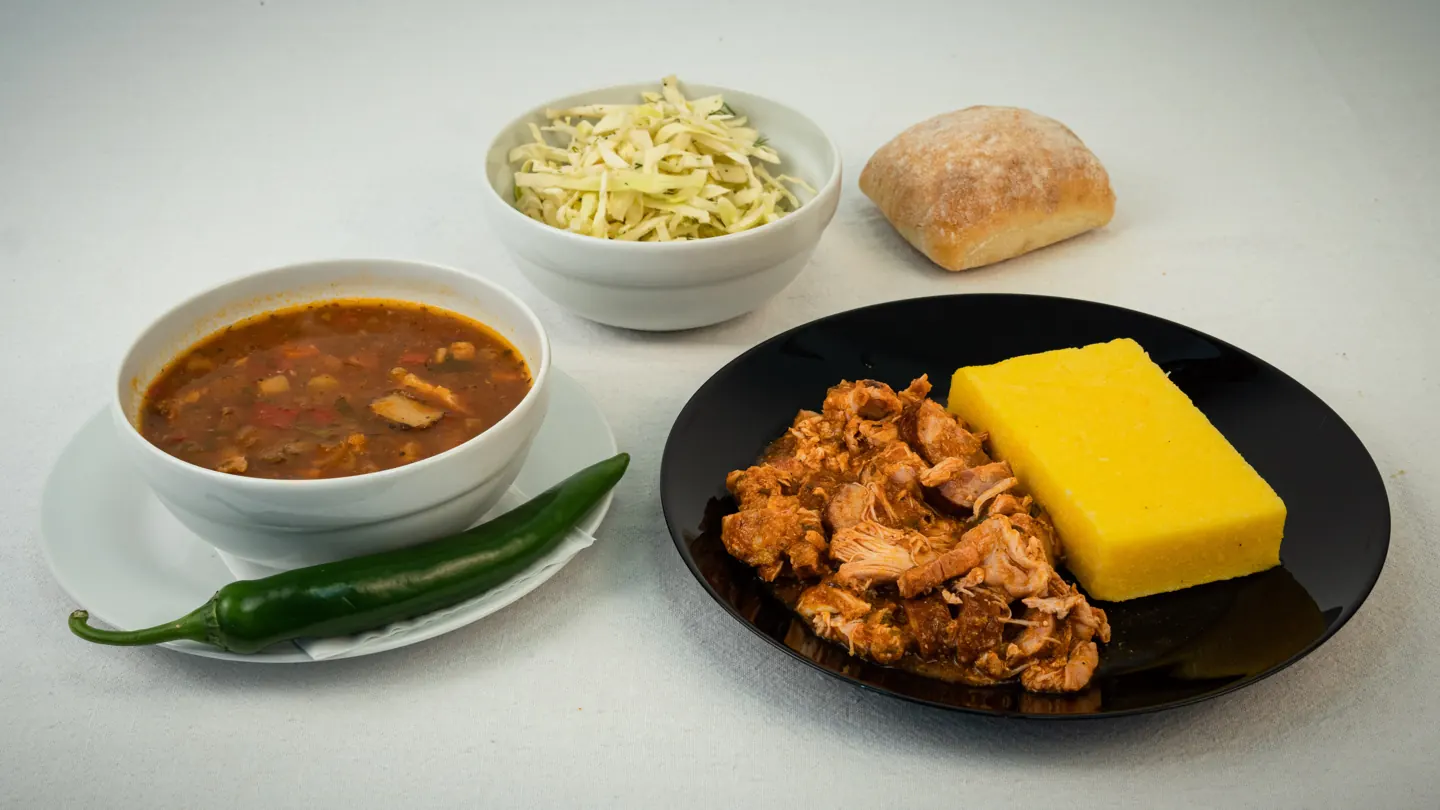
Bright, close-up shots with the dish filling the frame. On a phone, a product photo is about the size of a fingernail, so small details disappear. Keep the background simple and show the portion the customer actually gets, not a bigger one. Any gap between photo and reality shows up in reviews straight away.
Use one style across the menu: same light, same angle, same plate or box. A menu with consistent photos looks like a brand. A menu mixing phone snapshots and supplier images looks improvised. One well-planned shoot of the whole menu is worth more than a dozen quick photos taken between orders.
How should you handle pricing and promotions on the apps?
Price per channel, using the commission from your contract and packaging. If you keep dine-in prices, delivery can run at a loss without you noticing. Our food cost guide walks through the method with an example. Your price doesn't need to be the lowest in the area; it needs to be clear and leave a margin after commission.
Promotions work best when planned around the platform's calendar: their campaigns bring extra visibility. Choose promoted items by margin, not by what you want to get rid of. And work out in advance how much of the discount you pay and what's left after it.
How much do ratings and prep times matter?
Hugely. Customers see your rating before the food, and a poor rating cancels out the best photos. Ratings come from operations: complete orders, consistent portions, packaging that holds, hot food and honestly declared prep times. Read every bad review and look for the cause in the kitchen, not in the customer.
Sold-out items must be switched off in the app right away, not rejected after the order arrives. The platform tablet belongs in the kitchen, switched on, with the sound up. None of this is marketing, but without it marketing doesn't work.
What should a weekly report measure?
Orders, not likes. Number of orders, average basket, sales by dish, by platform and by time slot, ratings and cancellations. Compare each week with the previous one and with the same week last month. Pull the data from the platform dashboards or, if you use HoReCaOS, from its sales reports by channel.
Decisions come out of the report: a dish that doesn't sell gets a new photo or goes; a weak hour gets a promotion; a platform in decline gets attention. In 3 years of delivery marketing for 30 clients in Bucharest, the weekly report drove every adjustment we made.
What results are realistic?
It depends on the product, the area and how well the kitchen runs. Our best result was a client with 8 restaurants who grew from 80,000 to 850,000 lei a month. That's one case, not a promise for everyone: not every client grew like that, and marketing can't rescue a weak product.
We also ran a delivery marketing workshop together with Glovo. What holds for anyone: a menu built for the platform, good photos, calculated prices and a weekly report on orders. None of it is a trick; it's steady work, week after week, with the numbers in front of you.
Frequently asked questions
Which platform should I start with?
The one with the most orders in your delivery area. Ask the account managers and look at how many direct competitors are on each.
Do I need to be on every platform?
Not necessarily. Better to do one or two well than four badly. Add a platform when your operations can support it.
Are platform promotions worth it?
Sometimes. Calculate the margin after the discount. A promotion that brings new customers on a high-margin dish is worth it; one that sells at a loss isn't.
How often should I change photos and the menu?
When the report shows a problem, not on a schedule. A dish that doesn't sell deserves a new photo or a clearer name before you drop it.
Do you guarantee a sales increase?
No. Results depend on the product and the kitchen too. We guarantee the work: menu, photos, pricing, promotions and a weekly orders report.
Is the 8-restaurant client a typical result?
No, it's our best case, from 80,000 to 850,000 lei a month. We share it as a real example, not an average.